- Macronutrients (carbs, protein, fat) are essential nutrients your body needs in large amounts.
- Counting macros involves tracking grams of carbs, protein, and fat to meet personalized goals.
- Macro counting aligns with various diets (e.g., keto, Mediterranean) and can aid weight loss, but it’s optional.
If you’ve heard the term “macros” or even some rumblings about a macro-counting diet but don’t know what it is, we’ve got you. We break it down and answer your questions: What are macros? What is a macro-counting diet anyway? Should you be counting your macros? Spoiler alert: It’s not as complicated as you might think. Whatever diet or eating pattern you’re already following might even be taking macros into consideration and adjusting the ratio of macros you eat. It’s really all semantics. If you haven’t heard of macros, perhaps the terms carbohydrate, protein, and fat feel more familiar. Here are the details.
What Are Macros?
Macros—also known as macronutrients—are precisely what their name implies. Macro means large, so macronutrients are the nutrients your body needs in, well, large amounts. There are three macronutrients: carbohydrates, protein, and fat.
Each macronutrient is measured in grams, but the calories per gram aren’t the same. Protein and carbohydrates have four calories for every gram. Fat, however, has nine calories for every gram. If you’ve ever heard that fat is more nutrient-dense than carbs or protein, this is why—each gram of fat has more than twice as many calories.
Other familiar nutrients, such as fiber, vitamins, and minerals such as potassium and calcium, are considered micronutrients. They’re nutrients that your body still needs, just in smaller doses.
What Are the Macro Amounts You Should Be Eating Each Day?
The amount of protein, carbohydrate, and fat you should eat every day varies from person to person. Factors like your gender, body size, body weight, and fitness or weight goals all influence how much of each macro you should aim to eat.
That said, there are general parameters (put out by the USDA Dietary Guidelines for Americans) for each macronutrient:
Protein
Aim for 10% to 35% of calories from protein each day. (That’s 200 to 700 calories or 50 to 175 grams per day for a 2,000-calorie diet.)
Protein is important because it is the main structural component of all cells in your body. It is needed to build and repair cells, among other key body processes.
Carbohydrate
The largest portion of your diet is dedicated to carbs. The recommendation is to get 45% to 65% of daily calories from carbs. (That’s 900 to 1300 calories or 225 to 325 grams per day for a 2,000-calorie diet.)
Your body prefers carbohydrates and uses them as a primary energy source—especially your brain.
Fat
20% to 35% of your calories should come from fat each day. (400 to 700 calories or 44 to 78 grams per day for a 2,000-calorie diet.)
However, saturated fats (the less healthy fat found mostly in animal meats and full-fat dairy) should be limited to less than 10% of calories.
Fat is needed to make key compounds, such as hormones, and helps the body absorb essential fat-soluble vitamins such as A, D, E, and K.
Types of Fat
There are different types of fat—polyunsaturated, monounsaturated, saturated and trans fat. The healthiest fats are poly- and monounsaturated. They’re found mostly in plant-based foods like nuts, seeds and fish, and can help reduce inflammation and improve your cholesterol levels. Omega-3 fats are a type of polyunsaturated fat that you can only get from food; fish, flax seeds and walnuts are good sources. Trans fatty acids, or trans fats, are the worst type of fat for you since they can raise your cholesterol levels and contribute to inflammation. Trans fats have mostly been eliminated from foods in the U.S., but keep an eye on food labels; if the ingredients list contains partially hydrogenated oil and/or vegetable shortening, that product has trans fats.
Related
What Are Macros Food Sources?
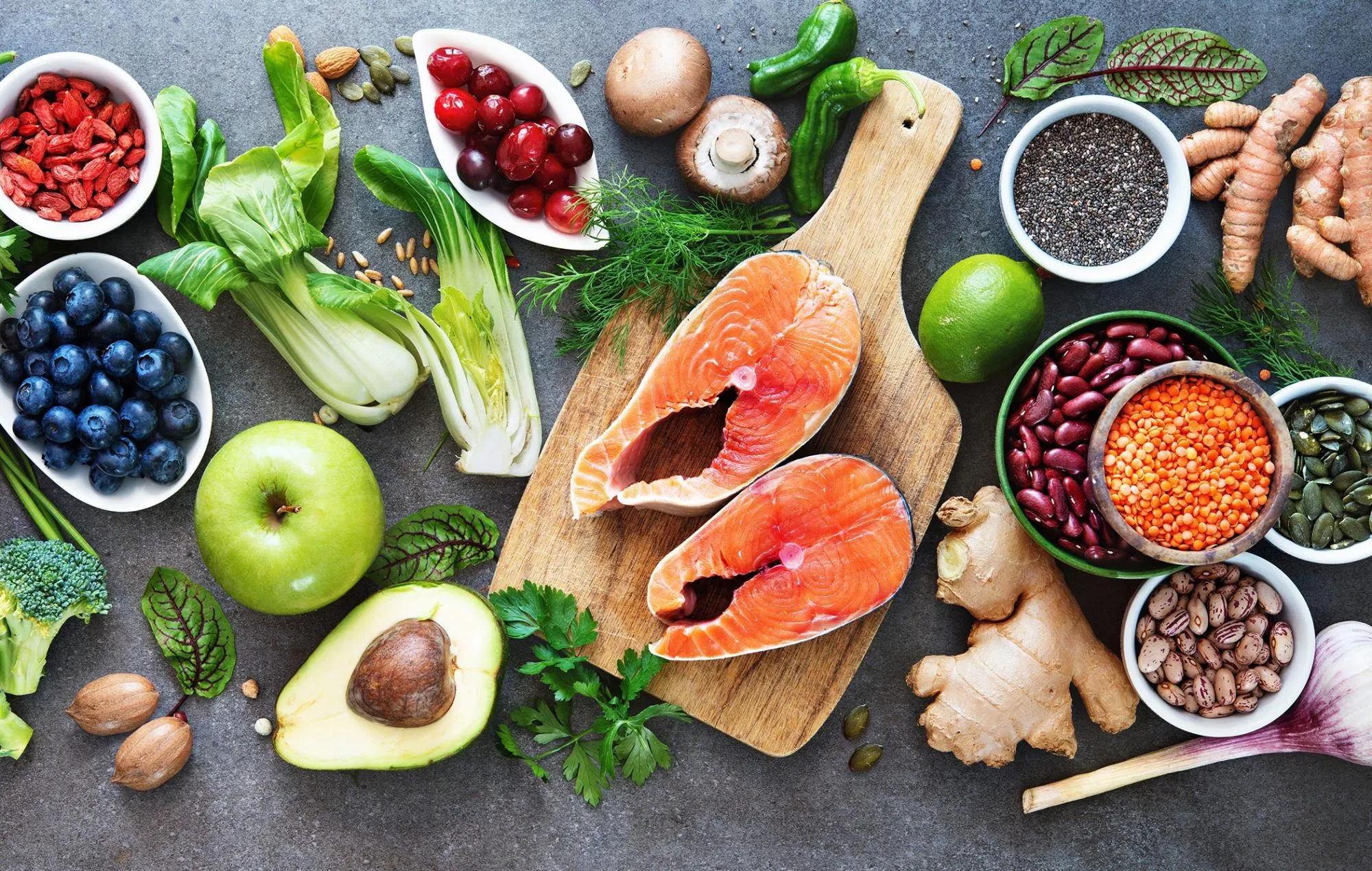
Most foods have a mix of macronutrients (and micronutrients, too) and don’t deliver just one type of macro. Take chicken as an example. We consider chicken a source of protein, right? But there’s also fat in chicken. Or look at a whole grain like quinoa—it’s mostly carbohydrate but also a good source of protein and fat.
High Protein Foods
- Beef, poultry, pork, and other animal meats
- Eggs
- Fish and seafood
- Dairy
- Legumes such as lentils and beans
- Whole grains
- Nuts and seeds
High Carbohydrate Foods
- Grains (both whole and refined), such as rice, bread, and pasta
- Fruits
- Dairy products, including milk and yogurt
- Legumes
- Starchy vegetables such as corn and potatoes
Healthy Fat Foods
- Oils, butter, and ghee
- Nuts and seeds and their butters
- Avocado
- Oily/fatty fish such as salmon and tuna
Should I Be Counting Macros?
Some people prefer to count their macros instead of counting calories. Proponents of counting macros say there are a few benefits behind this way of eating.
For example, people who follow the IIFYM diet (If It Fits Your Macros) say that counting macros is a more flexible eating pattern than counting calories. Once you’ve calculated your macros target, you only need to keep track of your grams of carbs, proteins, and fats each day (and stay within your target, of course).
Another touted benefit is that counting macros encourages healthier eating. You’ll be looking for foods that are sources of healthy carbs and protein to fit within your macros versus leaning on processed snack foods to get through the day.
What Are Macros Counting Diets?
There isn’t a clear-cut definition (or meal plan) for the so-called “Macro Diet.” It’s mostly just a way of tracking what you eat. The only diet that focuses on only counting macros is IIFYM.
Most Eating Plans Count Macros
The tenets of some of today’s most popular diets (think: the various low-carb diet options, or keto, which is very low carb, and high-protein diets) or even the (old school) low-fat diet are rooted in counting macronutrients—or at least one main macronutrient.
Counting macros is also a way of eating that aligns with other (science-backed) healthy diets like the Mediterranean Diet, a Flexitarian Diet, and vegan or vegetarian diets. You can follow those diets and count macros.
Macro Diets Help with Weight Loss
Eating a “moderate macronutrient” diet can help with weight loss, according to a study published in BMJ in April 2020. The meta-analysis compared so-called moderate macronutrient diets like the Mediterranean Diet, Jenny Craig, Weight Watchers (and more) to a low-carb diet, low-fat diet, and a standard diet. Researchers found that moderate macronutrient diet followers lost weight and maintained it at 6 and 12 months, although slightly less than the more extreme diets (low-carb, low-fat). Still, moderate macronutrient diets were successful compared to a standard diet.
Macronutrients are essential nutrients—you need carbohydrates, fats, and proteins to fuel your body. But macro counting isn’t a must-do. If it works for you, go ahead. If you prefer another eating pattern, follow that one because counting macros is just another diet.
- <span>Recipes & Cooking</span>
- <span>Healthy Recipes</span>
- <span>Healthy Eating</span>
"Food and Nutrition Information Center (FNIC) — (FAQ)." U.S. Department of Agriculture.
"Micronutrients." U.S. Department of Agriculture.
"Dietary Guidelines for Americans, 2020-2025."U.S. Department of Agriculture and U.S. Department of Health and Human Services. 2020.
"What are proteins and what do they do?" National Library of Medicine. 2021.
Hermann, Janice. "Carbohydrates in the Diet." Oklahoma State University Extension. 2021.
Ge, Long et al. "Comparison of Dietary Macronutrient Patterns of 14 Popular Named Dietary Programmes for Weight and Cardiovascular Risk Factor Reduction in Adults: Systematic Review and Network Meta-Analysis of Randomised Rrials." BMJ. 2020, doi:https://doi.org/10.1136/bmj.m696