There’s a reason fiber is in the news these days—it keeps your gut microbiome healthy and prevents certain diseases. But most Americans don’t get nearly enough! Here we’ll walk you through our favorite sources of dietary fiber. Get started with a few smart food choices—no diet overhaul needed.
Never lose a BHG recipe again. Find a recipe you love on BHG.com? Click the heart icon to save it (and find it later) with MyRecipes.com.
What Is Fibermaxxing?
High-protein diets have dominated the food scene for years, overshadowing the importance of fiber and its beneficial effects on the body. Many high-protein foods—like meat and dairy—are also low in fiber. Luckily, fiber is back in the limelight as a notable nutrient— it’s essential for GI health, weight management, heart health, diabetes prevention, and even lowering the risk of certain cancers. The catchy term “fibermaxxing” caught on as encouragement for people to reach at least 25 grams of fiber per day. But it’s important to work up to this goal gradually to prevent GI distress and bloating.
The Benefits of More Fiber
Even though it passes through your digestive tract, fiber has dozens of benefits. It helps keep your gut healthy, steady postmeal blood sugar, and lower LDL (bad) cholesterol. Some fibers also keep you feeling full between meals. A fiber-rich diet can lower the risk of heart disease, type 2 diabetes, diverticulitis, and, yes, constipation. In fact, a 2013 review found that the risk of heart disease dropped by 9% for every 7 grams of dietary fiber eaten per day. So even if you are trying to limit carb intake, fiber is your friend! Other benefits of fiber: It helps reduce estrogen levels and can make you feel more satisfied after you eat. “Fiber helps with weight management, which is very important for breast cancer risk reduction. You may have a higher risk if you’re overweight or obese,” says Rachel Beller, R.D.N., founder of the Beller Nutritional Institute in Culver City, CA, which specializes in helping people manage their weight and lower breast cancer risk.
Some Top Sources of Fiber
Add a few of these to recipes and meals to boost your fiber intake.
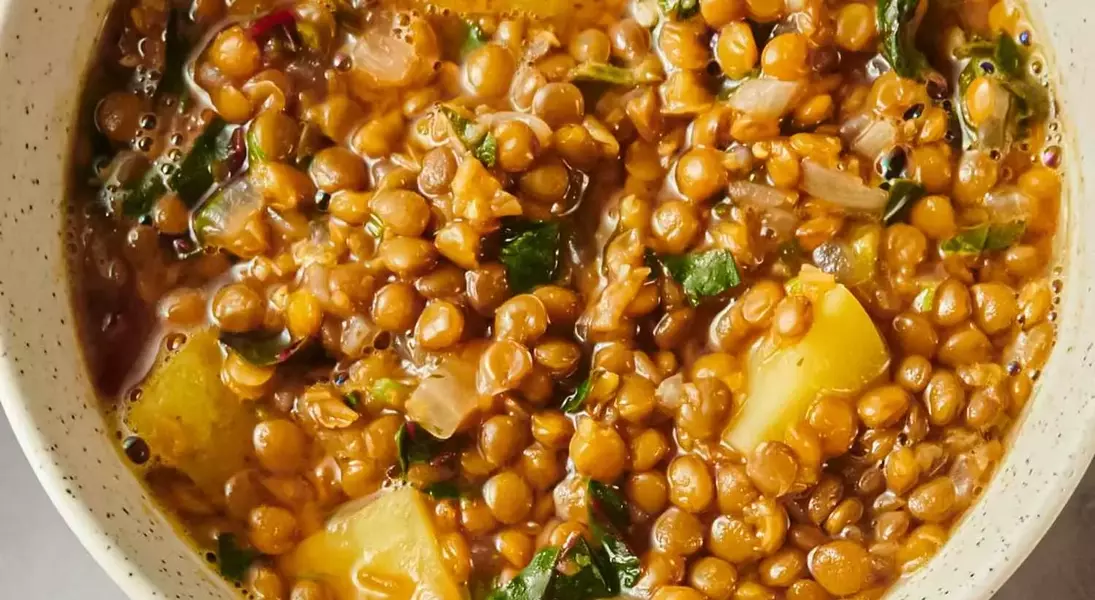
Lentils and Split Peas (Legumes)
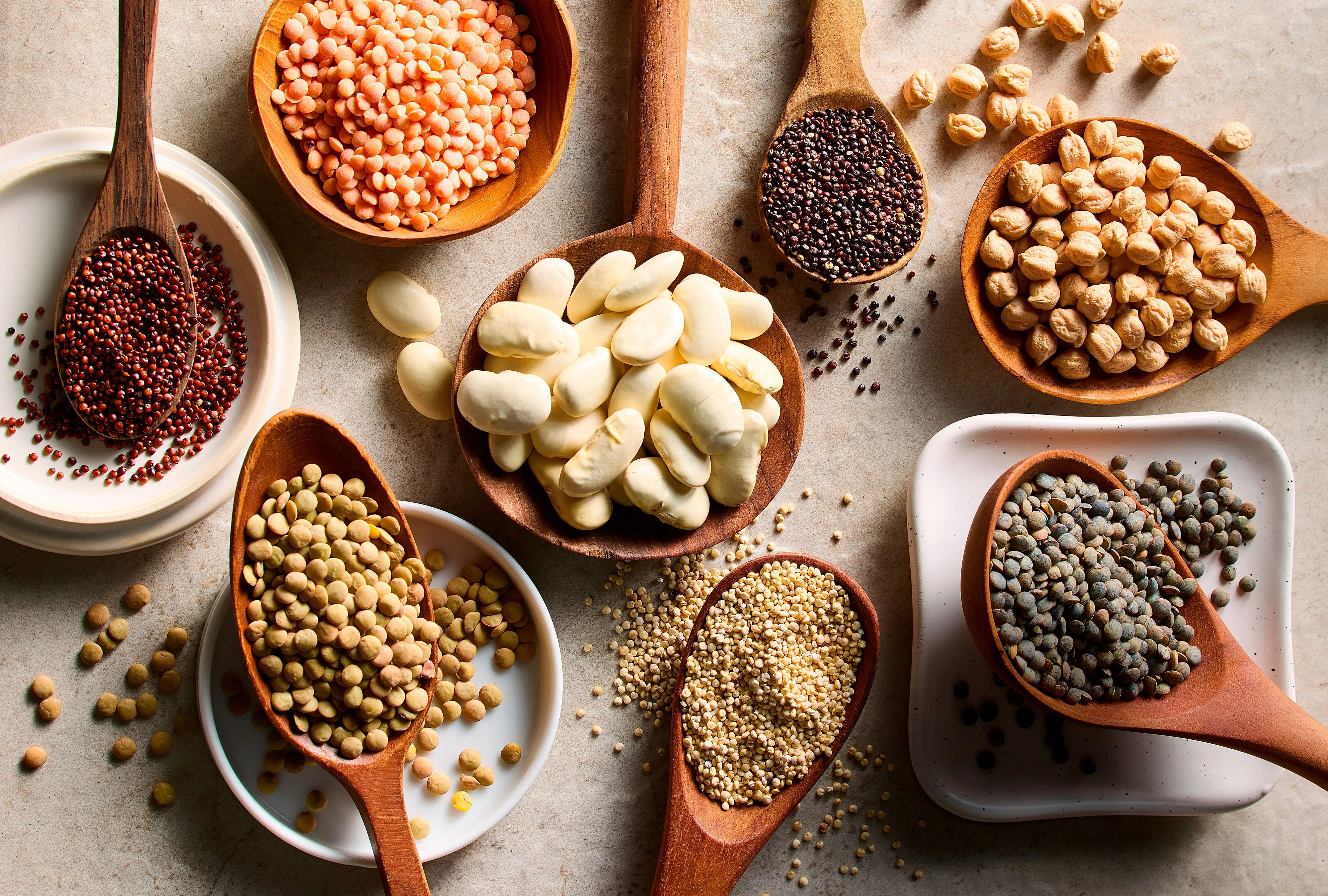
Dried lentils come in a range of colors—brown, green, red, yellow, or black—while split peas come in yellow or green. They contain 15 to 16 grams of fiber per 1 cup cooked.
Beans (Legumes)
Beans—think kidney, black, butter, pinto, cannellini, garbanzo (chickpeas), and navy—provide a big fiber boost (they’re also high in protein!). Depending on the variety, expect 13 to 15 grams of fiber per 1 cup cooked.
Frozen Green Peas and Veggies
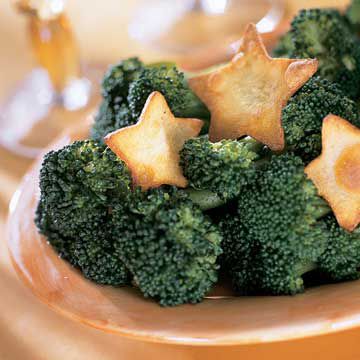
Many people think of frozen peas as a vegetable, but they’re actually another legume, with about 9 grams fiber per 1 cup. Green veggies that are high in fiber include broccoli and Brussels sprouts (3 to 4 grams per cup).
Seeds
There’s a lot to love about seeds—which technically include tree nuts, the single seed from each tree’s fruit. They’re good sources of fiber, protein, unsaturated fats, and an array of nutrients and antioxidants. Certain seeds—like chia and flax—are also high in ALA omega-3 fatty acids. Chia seeds contain 10 grams of fiber per ounce, and flaxseed meal has 6 grams. Limit yourself to about one or two servings of seeds per day to keep your fat and calorie counts in check (seeds are high in both). Use them in recipes that don’t contribute a lot of extra fat, sugar, or salt. Or add a spoonful to smoothies for an extra boost of nutrition.
Using flaxseed meal or ground flaxseeds allows for better nutrient absorption. (Whole flaxseeds can pass through your system undigested.) To grind them yourself, pulse in a blender or food processor until lightly ground.
Berries and Fruits
Raspberries and blackberries take top fiber honors with around 8 grams per 1 cup, while pears and apples come in close with 5 to 6 grams per medium-size fruit (peel on!). Half of an avocado also has around 5 grams. The high fiber content paves the way for a healthy gut microbiome for strong immunity.
Grains
Choose the right whole grains. Refined grain foods—like white rice, pasta, and bread—are made from grains that are stripped of their nutrient-rich edible layers, leaving only the starchy endosperm. Significant portions of protein, fiber, and nutrients are lost in the processing, although some vitamins are added back to items like bread and pasta to enrich them. Studies have proven that regularly consuming whole grains has a positive effect on health, reducing certain markers that indicate chronic inflammation. Whole grains include brown rice, quinoa, and oatmeal. When buying bread or pasta, make sure whole grain is the first ingredient. Whole wheat pasta, pearled barley, brown rice, and quinoa contain 4 to 6 grams of fiber per 1 cup cooked.
- <span>Recipes & Cooking</span>
- <span>Healthy Recipes</span>
- <span>Healthy Eating</span>