- MCT oil, derived from coconut or palm oil, is a clear, flavorless liquid with 100% medium-chain triglycerides.
- It offers quick energy and potential metabolism benefits, may support weight loss, sustained energy, and brain health.
- Its high saturated fat content could raise cholesterol. MCT oil is versatile for non-cooked foods like coffee.
When I first heard about adding MCT oil to coffee (aka bulletproof coffee) as a brain- and energy as well as a metabolism booster, I was definitely intrigued. Who wouldn’t want to start the day with a little extra pep in your step? Anyone who follows a Keto diet probably knows about (or has at least heard of) MCT oil, but it’s becoming a trendy ingredient in all sorts of eating plans.
If you’ve never tried MCT oil and are wondering if it’s a good fit for your lifestyle, here are some MCT oil basics as well as how to use MCT oil.
<strong>Emily Gonzalez</strong>, N.D. and scientific affairs manager at Bulletproof
What Is MCT Oil?
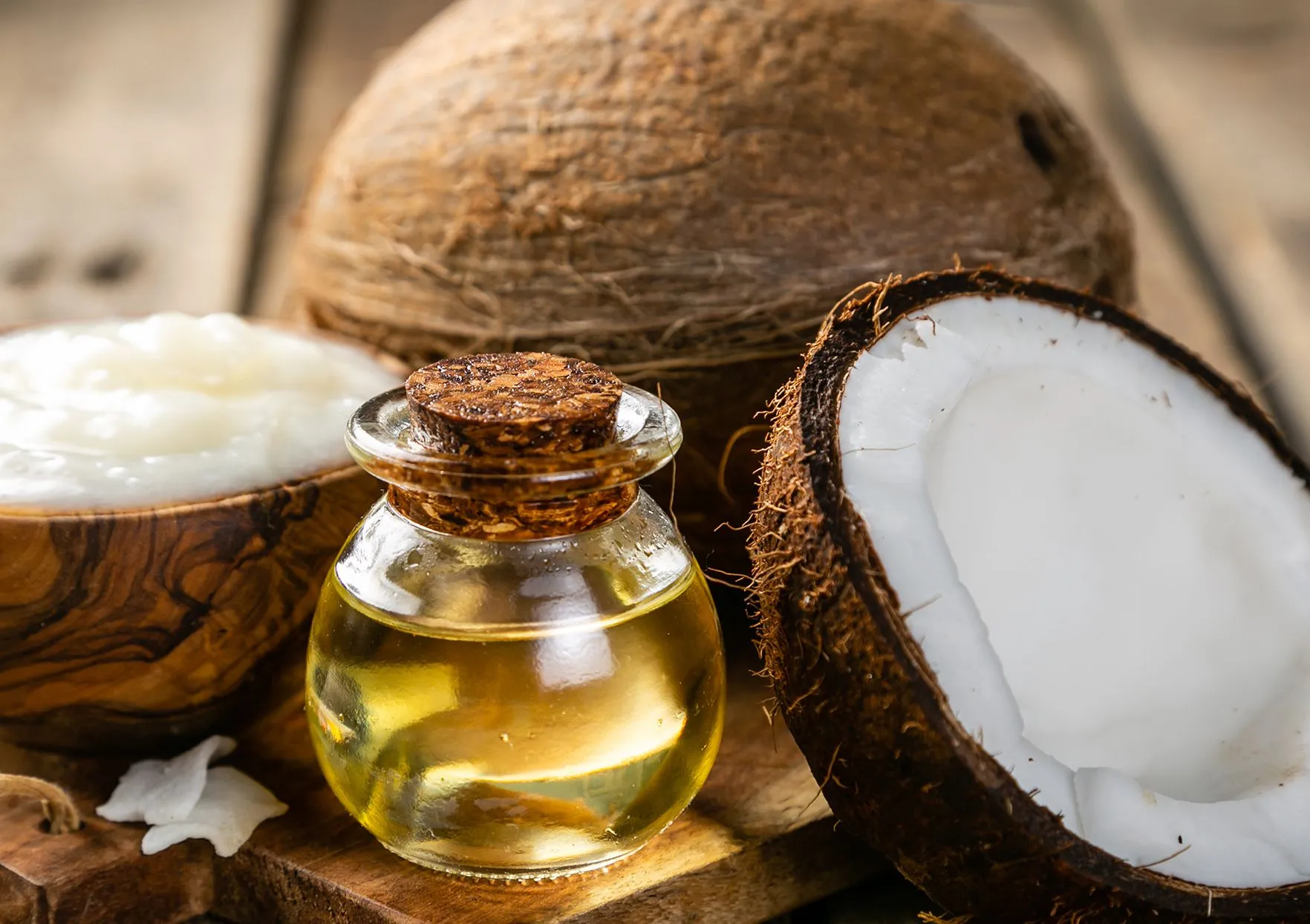
MCT is short for medium-chain triglyceride, a compound made of medium-chain fatty acids. These fatty acids naturally occur in sources such as butter, cheese, certain nuts and seeds, coconut oil, palm oil, goat milk, and even breast milk. MCT oil is a man-made extraction of these fatty acids into a clear, flavorless liquid, usually from coconut oil and palm oil.
Why man-made instead of just going for the natural oil on its own? Natural oils also contain long-chain triglycerides. Coconut oil has approximately 65% MCTs, while MCT oil supplements have 100%, which lessens the health benefits of consuming only MCTs. In general, one tablespoon of MCT oil has approximately 120 calories and 14 grams of saturated fat.
Try MyRecipes, our digital recipe box, to stash and organize all your favorite Better Homes & Gardens recipes.
MCT Oil Benefits
When MCTs are consumed, they have a high burn rate in your body (meaning it takes less time to digest), which can boost your metabolism in the process. Studies reveal consuming MCT oil could contribute to weight loss by decreasing food intake and increasing metabolic health. According to Emily Gonzalez, N.D. and scientific affairs manager at Bulletproof, MCT oil also helps provide sustained energy throughout the day and is considered “brain food.” “What’s particularly great about MCTs as opposed to other fats is that they are converted to ketones, an energy source for the body, and are not stored in the body’s fat cells,” Gonzalez says. So if you’re on a low-carb keto diet, your liver turns fat into ketones to feed your brain.
Related
MCT Oil Downsides
In general, when it comes to oils and foods that contain fat, you want to look for ones that have the least amount of saturated fat and more of the unsaturated fats, including monounsaturated and polyunsaturated. This helps protect your heart health. MCT oil is pretty high in saturated fat (14 g in a tablespoon compared to 1.9 g of saturated fat in a tablespoon of olive oil and 1 g in a tablespoon of canola oil). So using large amounts of MCT oil could raise your cholesterol. MCT oil also has a fair amount of calories—120 in 1 tablespoon—so you’d want to watch how much you use so you don’t gain weight.
Where to Buy MCT Oil
MCT oil can be purchased at most larger grocery stores in the supplement or pharmaceutical section as well as online. There are different types and brands of MCT oil available, so you can find one that’s best suited to your needs.
How to Use MCT Oil
MCT oil is clear and flavorless, and Gonzalez points out it’s easily added to whatever you are eating or drinking. Perhaps the most common way is by adding it to your morning cup of coffee, but you can use MCT oil in your salad dressing, smoothies, and other non-cooked foods. It has a low smoke point, so avoid using MCT oil where heat is involved.
So should you add MCT oil to your diet? The research is certainly promising, but there’s still a lot more info to uncover. It’s a wise idea to talk to your doctor or dietitian before incorporating MCT oil into your morning coffee routine.
- <span>Recipes & Cooking</span>
- <span>Healthy Recipes</span>
- <span>Healthy Eating</span>
St. Onge, Marie-Pierre, et al. “Weight-loss diet that includes consumption of medium-chain triacylglycerol oil leads to a greater rate of weight and fat mass loss than does olive oil.” American Journal of Clinical Nutrition. pp. 621–626. 2008.
St-Onge, Marie-Pierre et al. "Impact of medium and long chain triglycerides consumption on appetite and food intake in overweight men." European Academy of Nutritional Sciences. pp. 1134-1140. 2014.